
Natifly
Verified profileProfile is verified by the Natifly Verification Team.Official Natifly editorial · Aug 19 · 3 min read
Barcelona Beyond the Checklist: A First-Time Plan for Architecture, Beaches, Markets, and Neighborhood Evenings
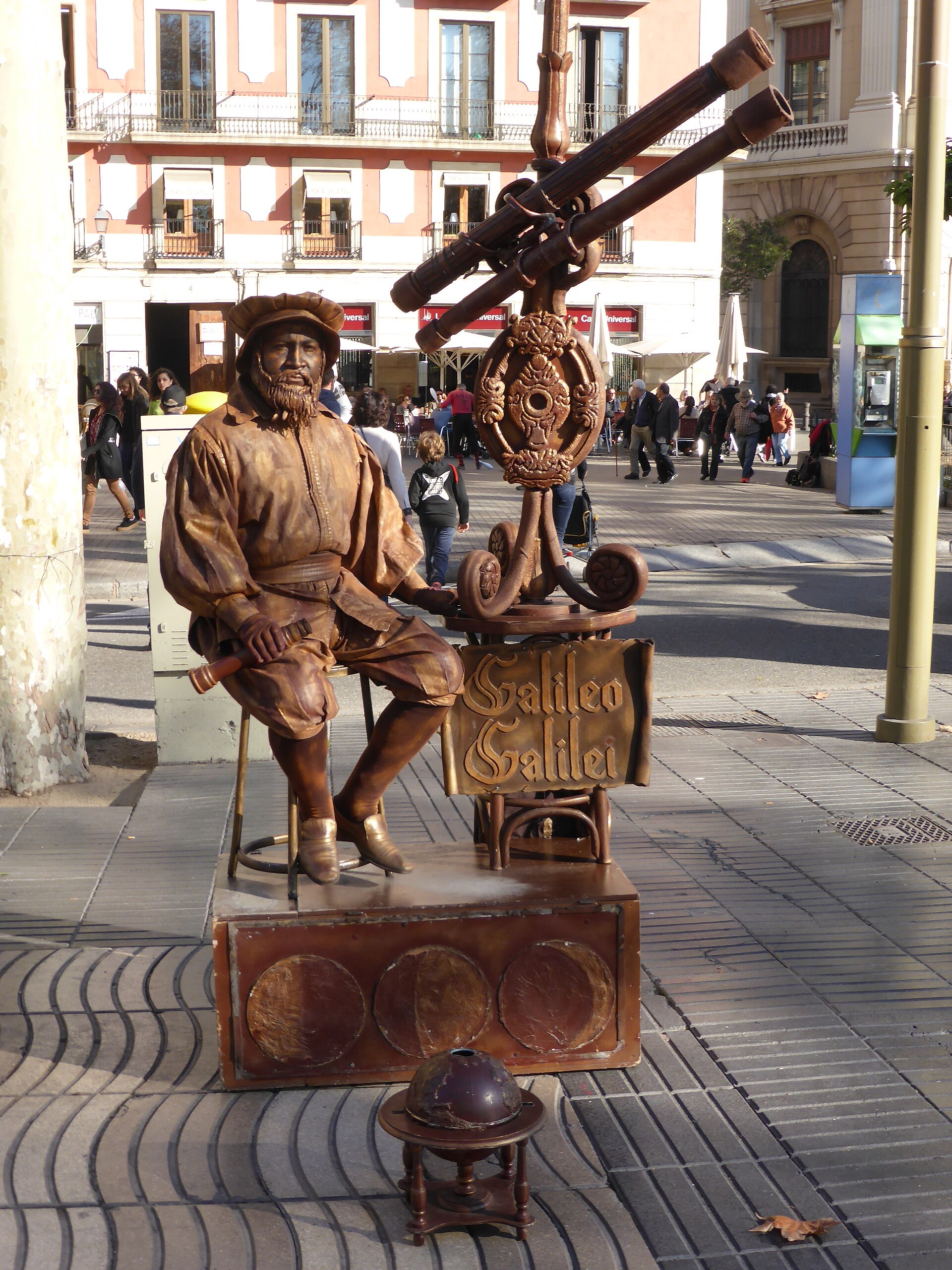
Barcelona can easily become a collection of timed tickets. Famous architecture, museums, markets, viewpoints, beaches, and restaurants all compete for limited hours, and the result can be a trip spent checking reservation times instead of experiencing the city between them.
The solution is not to avoid major sights. It is to give each one enough space. A strong first itinerary pairs one reservation-heavy attraction with a neighborhood, meal, park, beach, or evening that does not require another clock.
Book the hardest reservation first, then build around it
If there is one major architectural site or museum you consider essential, secure that time before filling the rest of the day. Then choose nearby activities rather than crossing Barcelona immediately afterward.
This makes delays easier to absorb and keeps the day from collapsing if entry takes longer than expected. It also gives you time to look at the city outside the ticketed attraction.
Let neighborhoods carry the unscheduled hours
Barcelona's districts are not just transit zones between monuments. The Gothic Quarter, El Born, Eixample, Gràcia, and other neighborhoods offer different street patterns, shops, cafés, restaurants, and evening moods.
Choose a neighborhood that fits the attraction you are already visiting and stay. A long walk with no fixed endpoint can be more memorable than a fourth timed stop.
Use the beach as a change of pace, not an obligation
For some travelers the waterfront is essential; for others it is simply a pleasant break. Either approach is valid. A few hours by the sea can provide recovery between dense architecture days, but you do not need to sacrifice a full day if beach time is not a priority.
Think of the coast as another neighborhood with its own rhythm rather than a separate resort holiday attached to the city.
Give markets context
Markets work best when you know why you are going. You might visit for breakfast, ingredients, a quick lunch, local food culture, or simply to see a neighborhood in motion. Walking through a crowded market only to check it off a list rarely adds much.
If a famous market feels too busy, smaller food halls, bakeries, cafés, and neighborhood shops can still make food part of the travel experience.
Plan evenings close to dinner
Barcelona is well suited to long evenings. After a full sightseeing day, choose a dinner area where you can keep walking, stop for dessert or a drink, and return to your hotel without another complicated cross-city journey.
This is where a geographically sensible hotel can improve the trip. Being able to enjoy an evening without thinking about the final transfer adds real value.
Avoid making every day an architecture marathon
The city's major buildings deserve attention, but similar sightseeing categories can blur together when packed back-to-back. Alternate architecture with parks, neighborhoods, museums, waterfront time, markets, or a slower food-focused block.
Variety helps each major sight feel distinct rather than becoming another entry in the camera roll.
A balanced four-day framework
- Central orientation: Gothic Quarter or nearby historic streets, one market or museum, and a relaxed first evening.
- Major architecture day: one high-priority reservation, Eixample walking, and dinner in the same broad area.
- Gràcia, park, or neighborhood day: fewer tickets, more street-level exploration, and a long meal.
- Waterfront and flexible day: beach or harbor time, a remaining museum or viewpoint, and a final neighborhood evening.
Explore Barcelona and Spain on Natifly
Barcelona is most rewarding when the famous buildings remain highlights inside a real city trip. Leave enough unscheduled space for streets, meals, sea air, and neighborhoods to connect those highlights together.