
Natifly
Verified profileProfile is verified by the Natifly Verification Team.Official Natifly editorial · Aug 19 · 4 min read
Seoul for First-Time Visitors: A Four-Day Rhythm of Palaces, Neighborhoods, Markets, and Late Nights
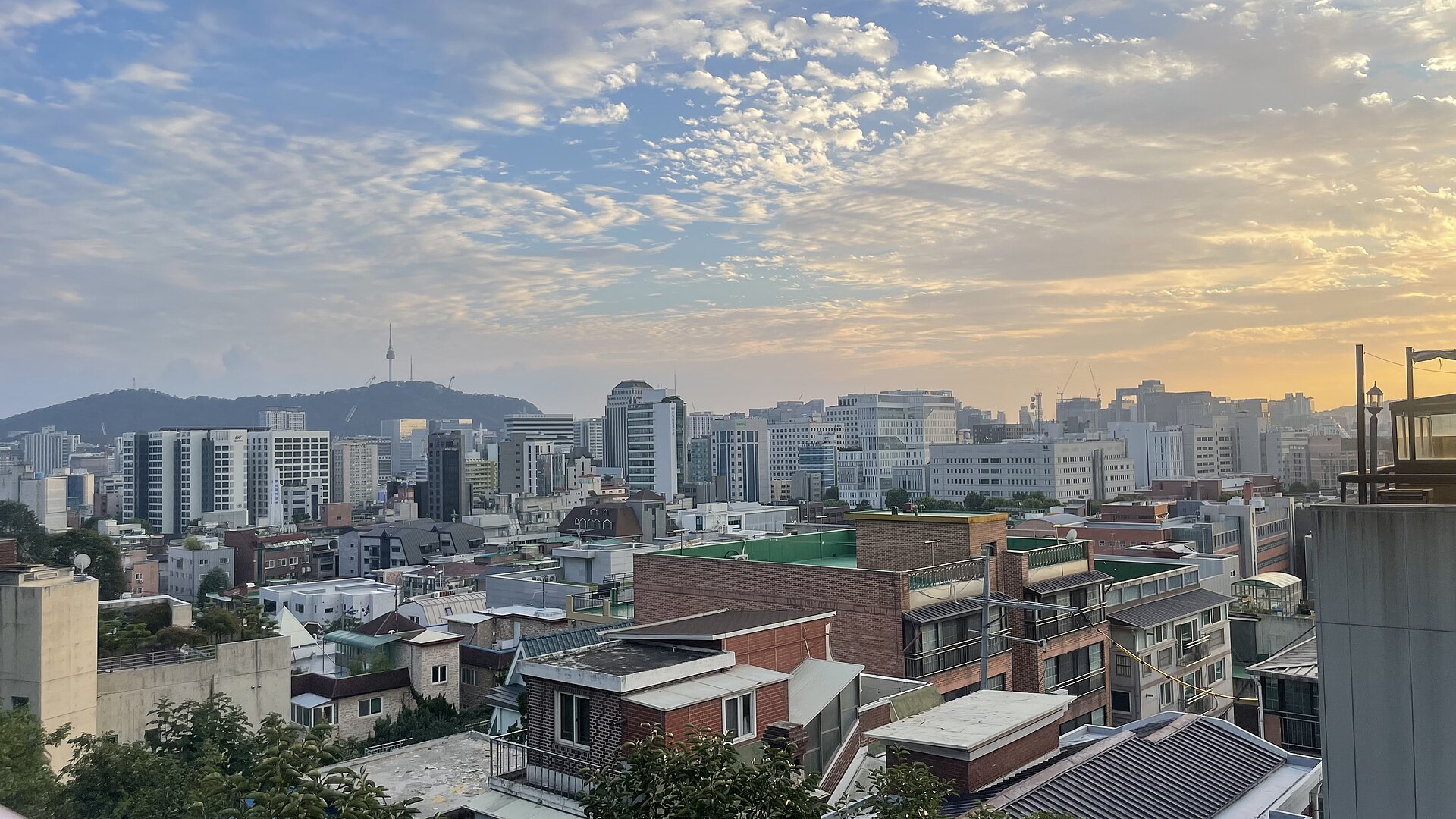
Seoul can feel intimidating before a first visit because the city is enormous and the list of possible neighborhoods is even larger. The good news is that the transport network makes a focused itinerary practical. The challenge is not reaching places; it is resisting the temptation to spend every hour crossing the city for one more famous stop.
A better four-day plan gives each day a theme and a geographic center. Palaces and older streets can share one day. Shopping and contemporary neighborhoods can fill another. Markets, food, museums, river walks, cafés, and nightlife can then be added where they naturally fit.
Begin with historic Seoul at a human pace
A palace visit is more meaningful when it is not immediately followed by three other palaces simply because they are important. Choose a major historic site, learn enough context to understand what you are seeing, then continue into nearby streets, museums, traditional neighborhoods, or a long lunch.
This creates contrast without repetition. The city feels more layered when architecture, food, walking, and daily life sit in the same day.
Group neighborhoods by what you want from them
Seoul's districts have different personalities. Some are better for cafés and independent shops, others for fashion, nightlife, parks, markets, or contemporary architecture. Instead of collecting neighborhood names, decide what experience you want that afternoon.
A traveler who cares about design and coffee may plan differently from someone prioritizing markets and late-night food. Both can have excellent first trips without visiting the same list of places.
Make food planning flexible
Seoul is a city where meals can easily become highlights, but rigid restaurant planning can add unnecessary stress. Keep a shortlist around the neighborhoods already in your itinerary and allow one or two meals to be spontaneous.
Markets and busy dining streets work particularly well when you want to sample rather than commit to one formal meal. If a famous restaurant has a long queue, the surrounding area may offer another good option without losing an hour.
Protect one evening for the city after dark
Do not schedule every night as recovery time just because sightseeing starts early. Seoul's evenings are part of its appeal. Choose one district where dinner, walking, shopping, cafés, bars, music, or late-night activity can happen without another long transfer.
The best evening is often the one where you stop checking the itinerary and simply remain in the neighborhood.
Use the river and parks as recovery space
After dense urban days, a river walk or park can change the rhythm of the trip. It is not wasted sightseeing time. A slower block creates room to absorb the city and can make the next museum, market, or shopping district more enjoyable.
This is especially useful on a four- or five-day visit, when constant indoor/outdoor switching and long transit days can become tiring.
Think carefully before adding distant day trips
Seoul itself can fill many days. If your visit is short, use the city well before committing a full day elsewhere. A day trip makes more sense when you have enough nights that losing one Seoul day does not leave the capital feeling unfinished.
A practical four-day framework
- Historic Seoul: one major palace, nearby heritage streets, a museum or market, and dinner nearby.
- Contemporary neighborhoods: choose shopping, cafés, design, or nightlife and keep the day geographically coherent.
- Food and local rhythm: market time, a neighborhood you have not explored, and a river or park break.
- Flexible Seoul: return to a favorite area, add a museum or viewpoint, and protect the final evening from over-scheduling.
Explore Seoul and South Korea on Natifly
Seoul becomes less overwhelming when you stop trying to see the whole city. Four well-shaped days can reveal more personality than a week of constantly changing trains for isolated attractions.