
Natifly
Verified profileProfile is verified by the Natifly Verification Team.Official Natifly editorial · Aug 19 · 4 min read
Istanbul Across Two Continents: A First-Time Plan Built Around Ferries, Food, and Neighborhoods
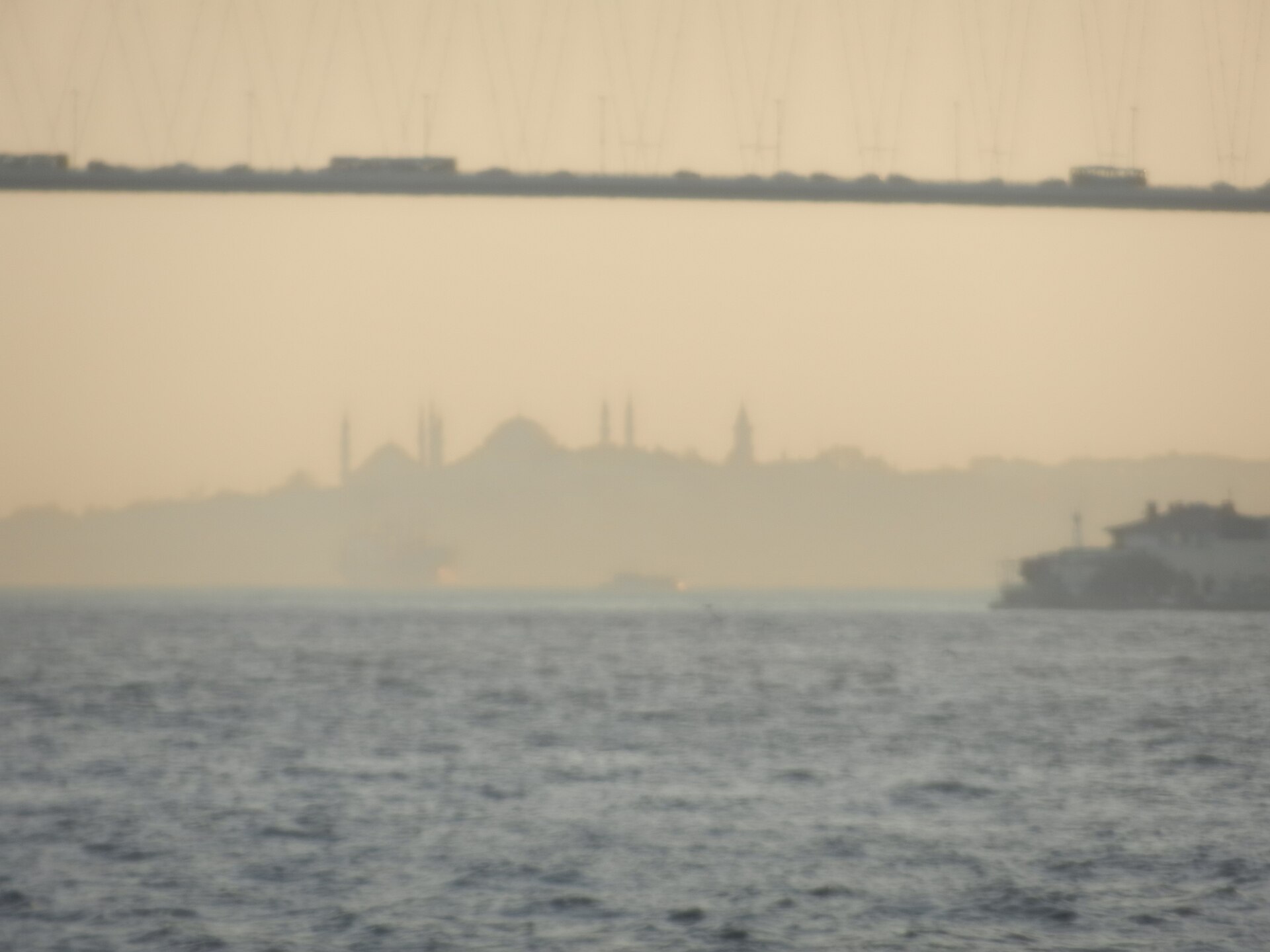
Istanbul is easier to understand when you stop treating the Bosphorus as an obstacle between attractions and start treating it as part of the trip. The city is large, layered, and busy, but a first visit does not need to become a daily battle with distance. A better plan uses neighborhoods as anchors, ferries as experiences, and meals as natural pauses between historic sites.
The biggest planning mistake is often trying to cover too much of both sides of the city every day. Istanbul rewards concentration. Pick one part of the city for the morning, stay long enough to understand its streets, and cross the water only when the move itself adds something to the day.
Start with the historic core, but do not stay there all day
For many first-time visitors, the historic peninsula is the natural introduction. Major landmarks are close enough that one focused morning can feel substantial without needing a long list. The useful rule is to choose two or three priorities and leave time for queues, security, prayer or worship schedules, museum timing, and simple street exploration.
After the headline sights, move into a slower meal or neighborhood walk instead of adding another monument just because it appears nearby on a map. Istanbul's scale becomes easier when you accept that one district can carry half a day.
Use the ferry as a transition, not just transport
Crossing the Bosphorus is one of the simplest ways to change the mood of the trip. A ferry can turn a transfer into a period of rest, orientation, and skyline viewing. That makes it especially useful after a dense morning of walking.
On the Asian side, areas such as Kadıköy can provide a different rhythm of markets, cafés, restaurants, and residential streets. You do not need a complicated sightseeing route there. The contrast itself is valuable.
Build meals into geography
Istanbul is a city where food planning can improve the whole itinerary. Instead of saving a list of restaurants scattered across the map, choose a food area that fits where you already are. A market visit, bakery stop, tea break, fish meal, or long dinner can become the reason to stay in one district rather than commute again.
This also protects the trip from becoming visually impressive but physically exhausting. Sitting down between walking blocks gives the city time to register.
Save one evening for the waterfront
Istanbul changes after sunset. Rather than crossing the city for one final attraction, choose an evening area with a good walking route, dinner options, and an easy return to your hotel. The Bosphorus, Galata-side streets, or a neighborhood near your accommodation can work better than another tightly scheduled landmark.
An evening with fewer goals is often when a first visit starts to feel personal instead of procedural.
Choose accommodation by the side of the city you will use most
There is no universally best neighborhood. A hotel near the historic core may reduce morning travel to major sights. A stay closer to Galata, Karaköy, or another central district may make evening dining and cross-city movement easier. A traveler prioritizing the Asian side may prefer a very different base.
Look at the first and last journey of each day. Saving repeated transfers is more valuable than being theoretically central to every attraction.
A practical four-day rhythm
A balanced first trip could look like this:
- Historic peninsula: major landmarks, nearby streets, and a relaxed dinner.
- Galata and Beyoğlu: neighborhood walking, viewpoints, shops, and an evening in the same area.
- Bosphorus and Asian side: ferry crossing, Kadıköy or another chosen neighborhood, and a food-focused day.
- Flexible Istanbul: a museum, market, waterfront, hammam, shopping area, or the district you most wanted more time in.
The strongest first trip to Istanbul is not the one that proves you crossed the city the most times. It is the one that gives each neighborhood enough time to become more than a name on a transit map.