
Natifly
Verified profileProfile is verified by the Natifly Verification Team.Official Natifly editorial · Aug 19 · 3 min read
Kyoto Without the Rush: A Better First-Timer Plan for Temples, Neighborhoods, and Quiet Evenings
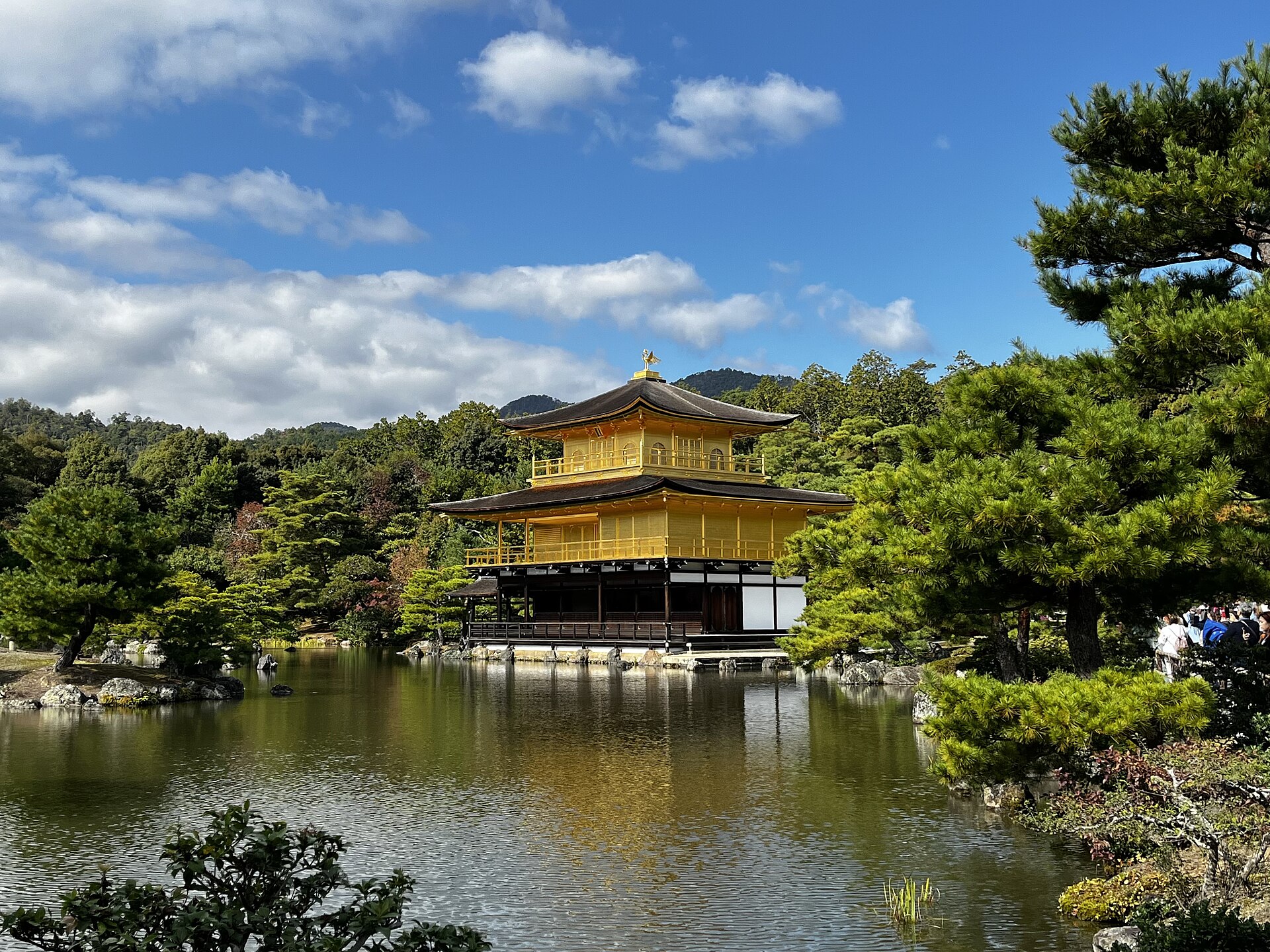
Kyoto becomes much easier to enjoy when you stop treating it as a list of famous temples that must all fit into one day. The city rewards slower movement: one or two major sights, a neighborhood walk, a good meal, and enough unplanned time to notice the lanes, gardens, shops, and river edges between headline attractions.
For a first visit, the goal should be variety without constant transit. Kyoto has many distinct areas, and crossing the city repeatedly can consume the hours you expected to spend exploring.
Build each day around one side of the city
A useful planning rule is to group nearby places rather than chasing every landmark in popularity order. Northern Kyoto can pair Kinkaku-ji with quieter temples and residential streets. Eastern Kyoto can combine a major temple visit with walking through Higashiyama and Gion. Arashiyama works best when you give the district enough time for riverside walking, gardens, and side streets instead of treating the bamboo grove as a single photo stop.
This approach also creates a better rhythm. You spend more time experiencing a place and less time checking maps on buses or trains.
Use early mornings selectively
You do not need to wake before sunrise every day. Save the earliest start for one place where quiet genuinely changes the experience, then allow other mornings to begin normally.
Popular districts can feel very different before tour groups arrive, but an exhausted itinerary is not automatically a better itinerary. A first trip should leave enough energy for evenings, meals, and spontaneous detours.
Give Kyoto an evening life
Many temple grounds close earlier than restaurants and neighborhoods, so the day does not need to end when sightseeing hours do. Evening walks around central Kyoto, the Kamo River, Pontocho, or quieter streets near your accommodation can become some of the most memorable parts of the trip.
This is also when slowing down pays off. Instead of commuting across the city for one more attraction, stay near dinner and let the neighborhood become the experience.
Choose accommodation for the trip you are actually taking
Kyoto Station is practical for rail connections and day trips. Central areas can make dining and evening walks easier. Staying closer to Higashiyama or another sightseeing district can reduce early-morning transit.
There is no universally best area. Choose based on what you want to do after breakfast and after dinner, not only on the hotel room itself.
A balanced three-day structure
A simple first-timer framework could look like this:
- Eastern Kyoto: one major temple, Higashiyama streets, Gion, and an evening walk.
- Western Kyoto: Arashiyama with enough time for a garden, river, and neighborhood exploration.
- Northern or central Kyoto: Kinkaku-ji or another major sight, followed by markets, museums, cafés, or a slower city afternoon.
Explore Kyoto and Japan on Natifly
The best first trip to Kyoto is not the one with the longest checklist. It is the one that gives each part of the city enough time to feel distinct.