
Natifly Daily
Verified profileProfile is verified by the Natifly Verification Team.Official Natifly editorial · Aug 19 · 4 min read
American Airlines Is Bringing Seatback Screens Back — and Making a Much Bigger Bet on Premium Seats

American Airlines is reversing one of the most visible cabin decisions it made during the smartphone-and-streaming era: **seatback entertainment screens are coming back to its narrowbody aircraft.**
But the screens are only one part of a much larger strategy.
Reuters reported on August 18 that American also plans to increase premium seating to roughly **40% of seats on narrowbody departures**, up from about **25% today**, as the airline competes more aggressively for travelers willing to pay for first class and extra-legroom products.
For passengers, the important word is **gradually**. This is a multi-year fleet transformation, not a feature that suddenly appears on every American flight next month.
The big reversal: screens return
For years, American leaned toward a bring-your-own-device model on much of its narrowbody fleet. Passengers could stream entertainment to phones, tablets and laptops rather than use a built-in screen.
The airline is now moving in the opposite direction.
Reuters reports that **more than 800 aircraft** are expected to receive seatback screens as part of the plan.
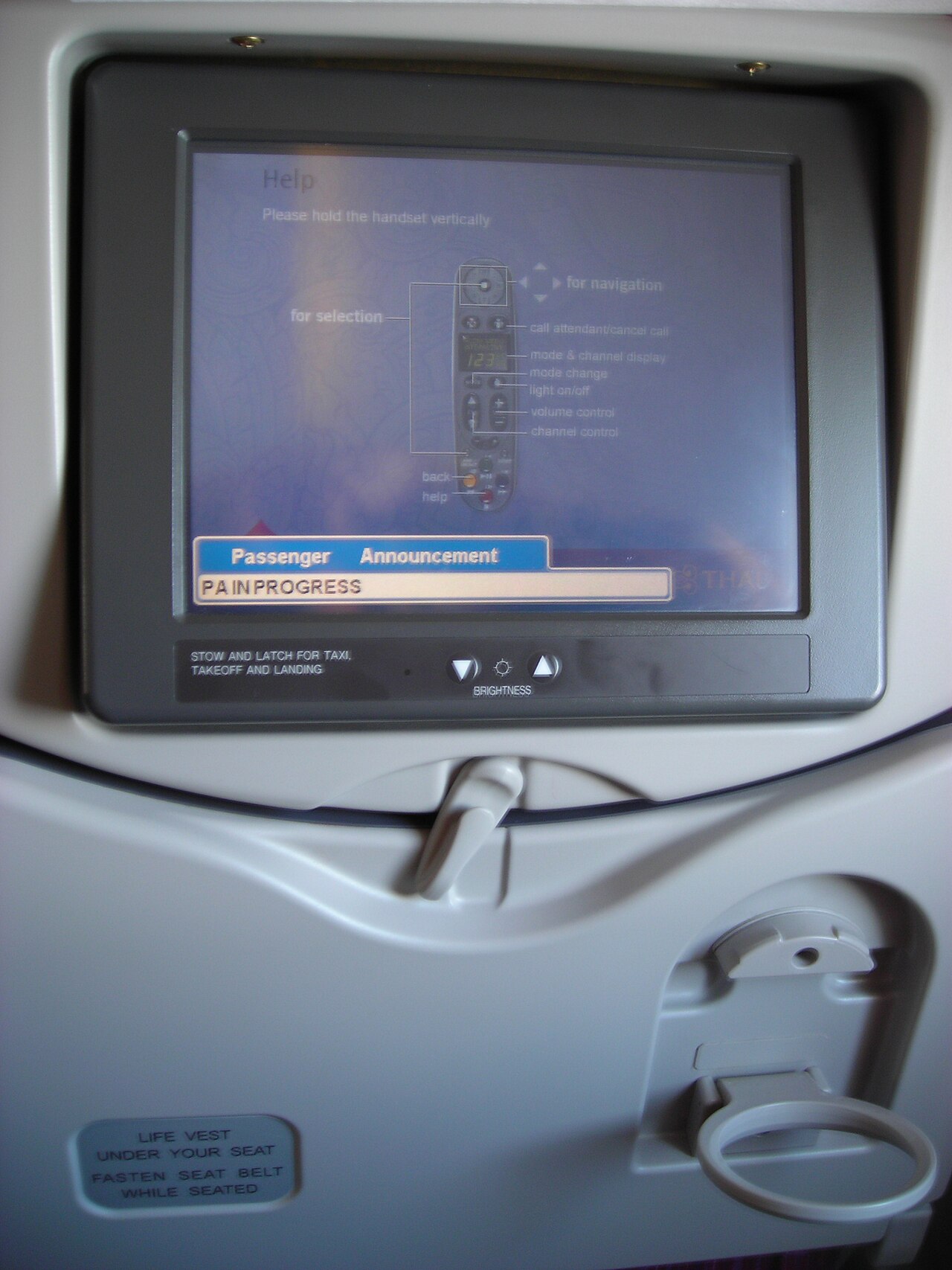
The shift reflects a broader truth about modern inflight entertainment: fast Wi-Fi and personal devices did not necessarily make the seatback screen irrelevant.
A built-in screen has advantages that are easy to understand on a real trip:
- it does not drain your phone battery;
- it remains available while your phone is charging;
- it is easier to use during meals;
- passengers do not need to bring a tablet;
- flight maps and entertainment remain visible without occupying a personal device.
When will travelers actually see the new screens?
The reported timeline starts in **2028**.
New Airbus and Boeing aircraft with screens are expected to begin arriving around then, and retrofit work on aircraft already in the fleet is also expected to start around that period.
Completion is expected to stretch into the **early 2030s**.
That means aircraft type and individual tail configuration will matter for years.
Two flights sold under the same airline brand — and even the same route — may offer different cabin hardware during a long retrofit program.
The bigger commercial story is premium seating
American is not merely adding entertainment hardware.
It is redesigning more of the narrowbody cabin around premium revenue.
Reuters says premium travelers accounted for roughly **30% of seats but nearly half of ticketed revenue in the second quarter**.
That helps explain why the carrier wants a much larger share of its cabin dedicated to first class and extra-legroom seating.
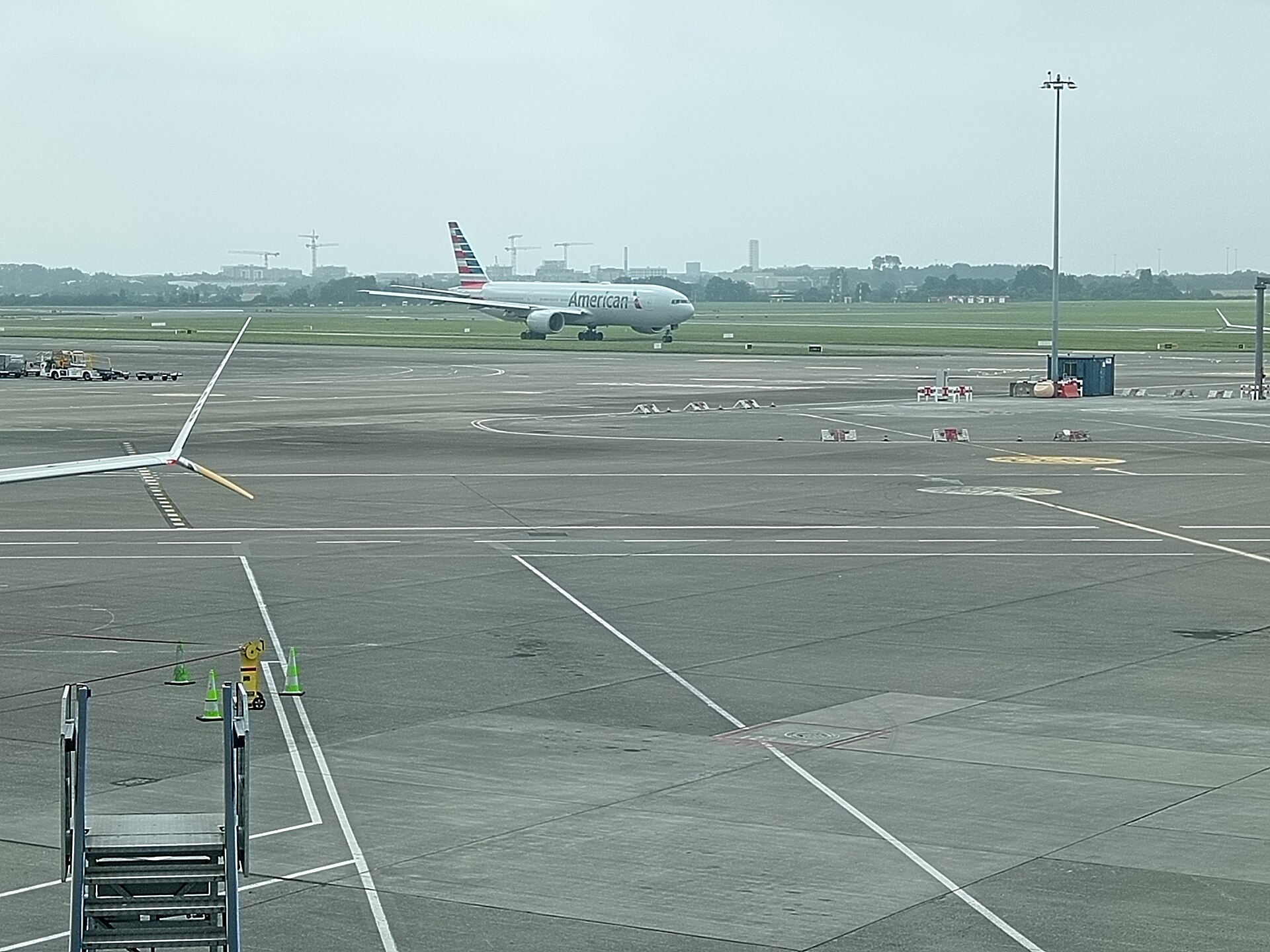
Earlier American Airlines product announcements have already shown parts of that strategy in its Airbus A319 and A320 retrofits, including more premium seating, larger overhead bins, power at every seat and refreshed interiors.
What could this mean for economy passengers?
More premium seats do not automatically mean every economy traveler loses.
Cabin layouts vary, new aircraft add capacity, and airlines make different trade-offs between standard economy and extra-legroom products.
But passengers should expect the **seat map to become even more important**.
A low fare alone does not tell you:
- how much legroom your selected seat offers;
- whether your aircraft has a screen;
- whether power is available;
- whether your fare includes seat selection;
- whether an extra-legroom seat is worth the upgrade price.
Don't book for a screen that isn't there yet
This is the most important consumer takeaway.
If you are booking an American Airlines flight in 2026 or 2027, do not assume the newly announced seatback screens will be available.
Even after retrofits begin, the process will take years.
Look at the aircraft and amenities shown for the specific flight, and remember that airlines can substitute aircraft for operational reasons.
Premium competition is changing U.S. flying
American's strategy fits a broader industry movement toward monetizing travelers who will pay more for comfort, space, lounge access, loyalty benefits and a more polished onboard experience.
Delta and United have also invested heavily in premium products, and American is trying to close the profitability gap with those rivals.
For travelers, competition can create better cabins — but also more complicated choices.
The cheapest seat, the best-value seat and the most comfortable seat are increasingly three different products on the same aircraft.
Natifly Daily briefing
**What's changing:** American plans to restore seatback screens across its narrowbody fleet and significantly expand premium seating.
**Premium target:** about 40% of narrowbody departure seats in coming years, compared with roughly 25% currently.
**Screen rollout:** more than 800 aircraft are expected to be equipped.
**Timing:** new screen-equipped aircraft and retrofits are expected to begin around 2028, with work extending into the early 2030s.
**Reporting basis:** Reuters, August 18, 2026, with additional background from American Airlines' previously announced A319/A320 cabin-retrofit program.
For now, travelers should continue checking the actual aircraft and amenities attached to the flight they are booking.