
Bookable
Go City: Dublin Pass | Save up to 50% - Includes 35+ Things To Do
3.9(568)
Ratings collected by Viator + Tripadvisor
From $91.5324 hrs
View experience
Compare full details and current availability before you choose.
Cookie preferences
Natifly uses necessary browser storage for core features such as sign-in, security, private account workflows, and remembering this choice. Optional Google Analytics cookies are used only if you allow analytics.
Supports essential site, security, account, booking, and consent-preference functions. These are not switched on or off by the analytics choice.
Measures sanitized page categories and a small allowlist of product interactions. The Google Analytics tag stays blocked until you allow analytics.
Google advertising consent signals remain denied by this control. Analytics does not determine qualified creator views or creator earnings. Read the Cookie Notice and Privacy Notice.

Ireland
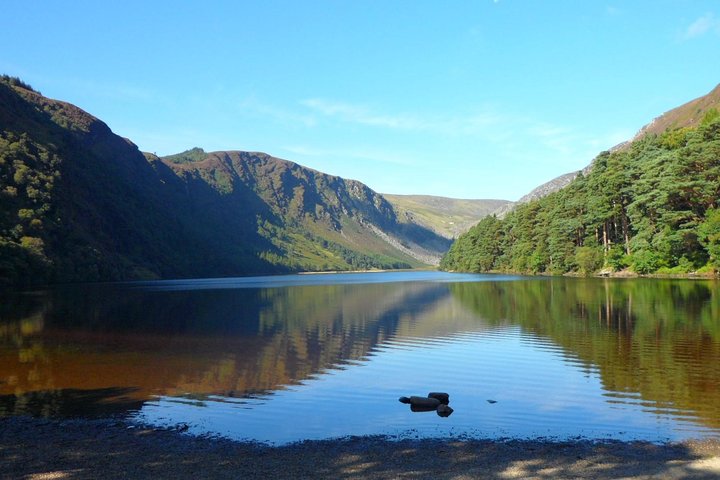
Image: Peter van der Sluijs · CC BY-SA 3.0 · Wikimedia Commons · Source
Plan your travel
Keep destinations you are considering together in a private trip.
City overview
Dublin mixes Georgian streets, literary history, major national collections, lively pubs and broad green spaces along the River Liffey. Trinity College and the historic core are natural first stops, but neighborhoods around Merrion Square, Smithfield and the Liberties show more of the city's everyday character. The center is compact enough for walking, though a good visit leaves time for conversation, museums and music rather than treating every stop as a quick photo opportunity.
Best time to visit
Late spring through early autumn offers longer daylight, but rain is possible year-round. Winter is cooler and darker, with a quieter pace outside holiday periods.
Currency
EUR
Language
English and Irish are official; English is dominant in everyday visitor use
Bookable experiences
Compare tours, tickets, and activities by photos, ratings, starting prices, duration, cancellation details, and available options before choosing what fits your trip.
Ratings collected by Viator + Tripadvisor
Compare full details and current availability before you choose.
Ratings collected by Viator + Tripadvisor
Compare full details and current availability before you choose.

Ratings collected by Viator + Tripadvisor
Compare full details and current availability before you choose.

Ratings collected by Viator + Tripadvisor
Compare full details and current availability before you choose.

Ratings collected by Viator + Tripadvisor
Compare full details and current availability before you choose.

Ratings collected by Viator + Tripadvisor
Compare full details and current availability before you choose.
See and do
Explore landmarks, museums, viewpoints, markets, parks, and cultural sites. Open any place for practical visit context, nearby experiences, traveler Journeys, flight planning, and Add to Trip.
Market & Food
George's Street Arcade and the surrounding South William Street area combine indoor market stalls, independent shops, cafés and restaurants just south of the central retail streets. It works well for a casual food and neighborhood break between museums.
Image: Peter van der Sluijs · CC BY-SA 3.0 · Wikimedia Commons · Source
View attraction →Museum & History
The archaeology branch of the National Museum of Ireland holds prehistoric, early medieval and Viking material that gives deep context to Irish history. Its central location beside Merrion Square makes it easy to combine with Georgian Dublin.
Image: Peter van der Sluijs · CC BY-SA 3.0 · Wikimedia Commons · Source
View attraction →Park & Outdoors
Phoenix Park is one of Europe's largest enclosed city parks, with broad roads, grassland, monuments and long walking or cycling routes. Its scale means visitors should choose a specific entrance or area rather than expecting to cover the whole park on foot.
Image: Peter van der Sluijs · CC BY-SA 3.0 · Wikimedia Commons · Source
View attraction →Neighborhood & Heritage
The Liberties is one of Dublin's oldest neighborhoods, with churches, markets, working streets and a long association with brewing and distilling. Walk it as a real residential district rather than moving only between branded visitor experiences.
Image: Peter van der Sluijs · CC BY-SA 3.0 · Wikimedia Commons · Source
View attraction →University & Heritage
Trinity College sits at the center of Dublin's academic and literary identity, with historic courtyards and the Book of Kells experience among its best-known visitor draws. Timed entry can be important, so keep the surrounding campus walk flexible around your booked slot.
Image: Peter van der Sluijs · CC BY-SA 3.0 · Wikimedia Commons · Source
View attraction →Practical planning
Planning
Three days is a comfortable first stay, with an additional day useful for slower museums or a separately planned trip beyond Dublin. Keep arrival day lighter than the rest of the trip so transport delays, weather and check-in do not disrupt a must-see reservation.
Culture
Pub culture is social rather than purely touristic; be respectful of local groups, queues and live performers, and avoid treating residential Georgian streets as sets.
Money
Ireland uses the euro. Cards and contactless payment are widespread, but a small amount of cash remains useful as backup.
Planning
Group Trinity, Grafton Street and the Georgian squares together, then explore the Liberties or Smithfield separately instead of crossing the center repeatedly. Book the Book of Kells experience, major performances and any must-do distillery or brewery visit ahead on busy dates.
Transport
Walking, buses, Luas trams and DART rail cover most visitor journeys. Use current transport information because routes and ticket products can change.
Common questions
Book the Book of Kells experience, major performances and any must-do distillery or brewery visit ahead on busy dates.
Ireland uses the euro. Cards and contactless payment are widespread, but a small amount of cash remains useful as backup.
Three days is a comfortable first stay, with an additional day useful for slower museums or a separately planned trip beyond Dublin.
Walking, buses, Luas trams and DART rail cover most visitor journeys. Use current transport information because routes and ticket products can change.
Late spring through early autumn offers longer daylight, but rain is possible year-round. Winter is cooler and darker, with a quieter pace outside holiday periods.